
This burnt basque cheesecake is one of the easiest and most forgiving desserts you can make. No water bath, no cracking worries, and the “burnt” top is exactly what you want.
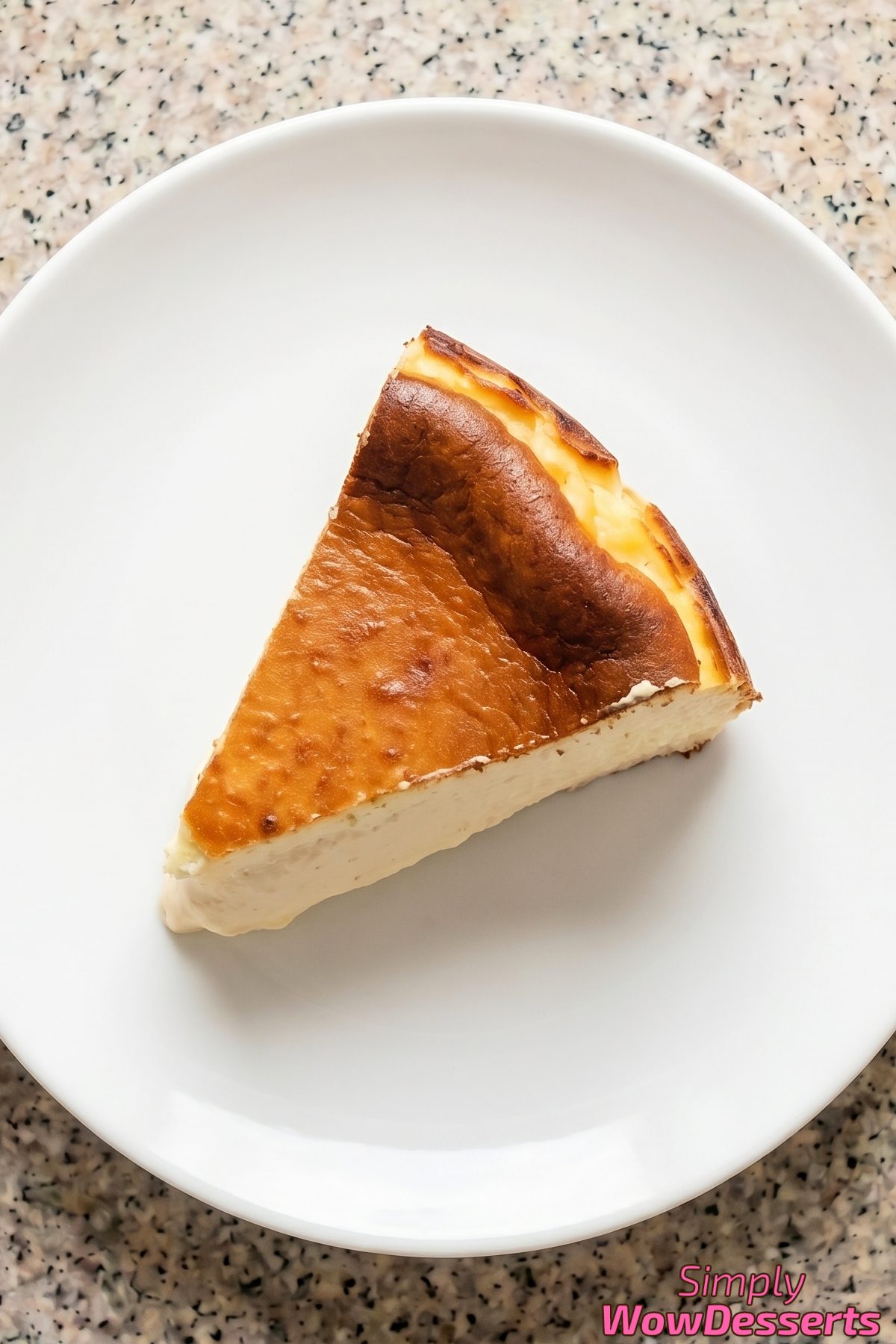
If you’ve never tried a basque cheesecake before, it’s different from a regular cheesecake. The inside is rich and creamy, almost like custard, while the outside gets a deep caramel color from the high oven heat.
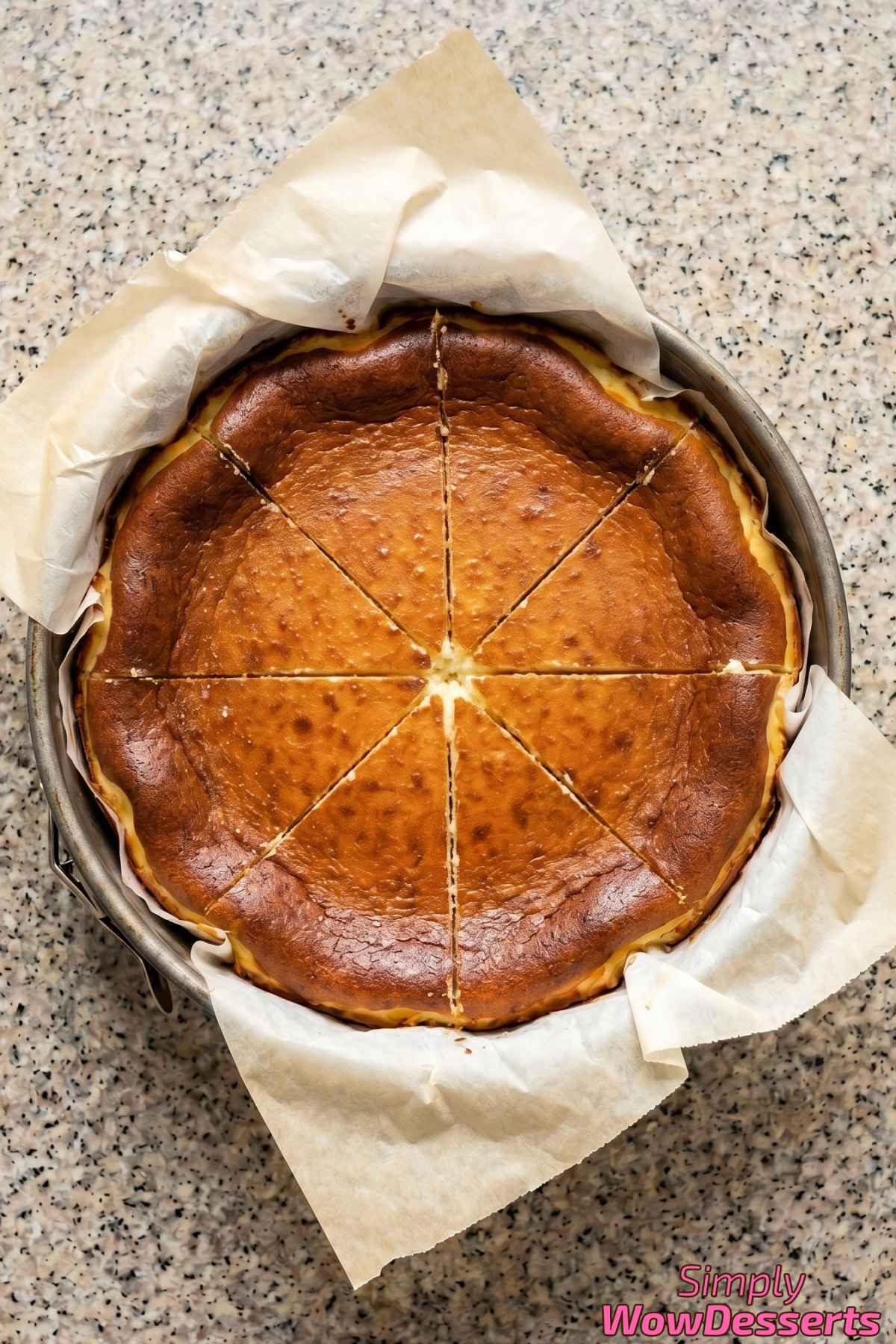
The batter comes together in one bowl with just a few simple ingredients. You mix everything up, pour it in, and let the oven do the rest.
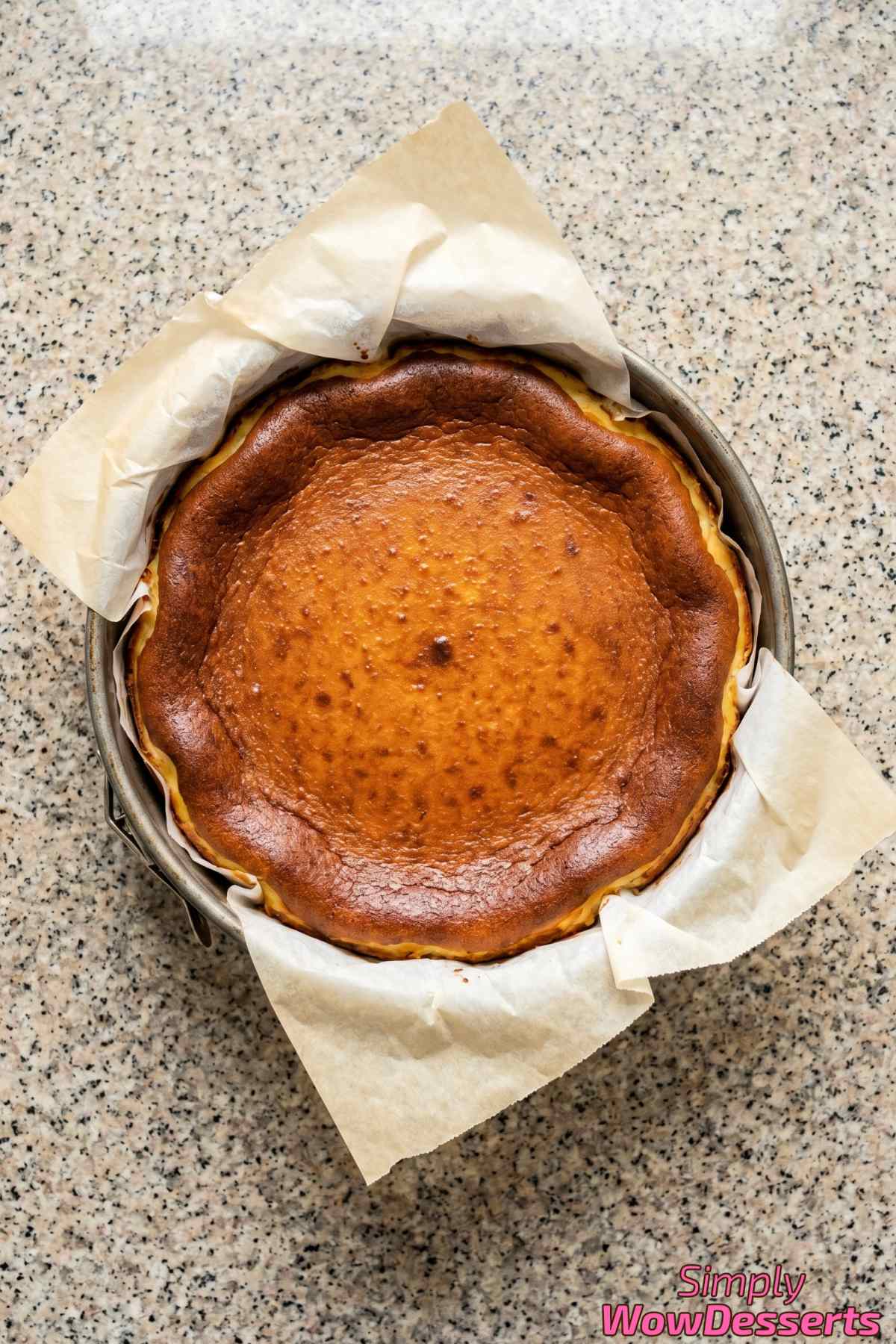
It’s the kind of recipe that looks impressive but is honestly hard to mess up. The dark top and the crinkled parchment paper are part of its rustic charm.
Whether you’re making this for a dinner party or just because you’re craving something rich and creamy, this one delivers every time.
Why You’ll Love It
No Crust Needed – Unlike traditional cheesecake that requires you to make a graham cracker crust, this Burnt Basque Cheesecake skips that step entirely, which means less work, fewer ingredients, and a pure creamy result that lets the cheesecake itself be the star.
The Caramelized Top Is Unreal – That deeply browned, almost burnt exterior creates a thin layer of bittersweet caramel flavor that contrasts perfectly with the soft, custardy center, giving you two completely different textures and flavors in every single bite.
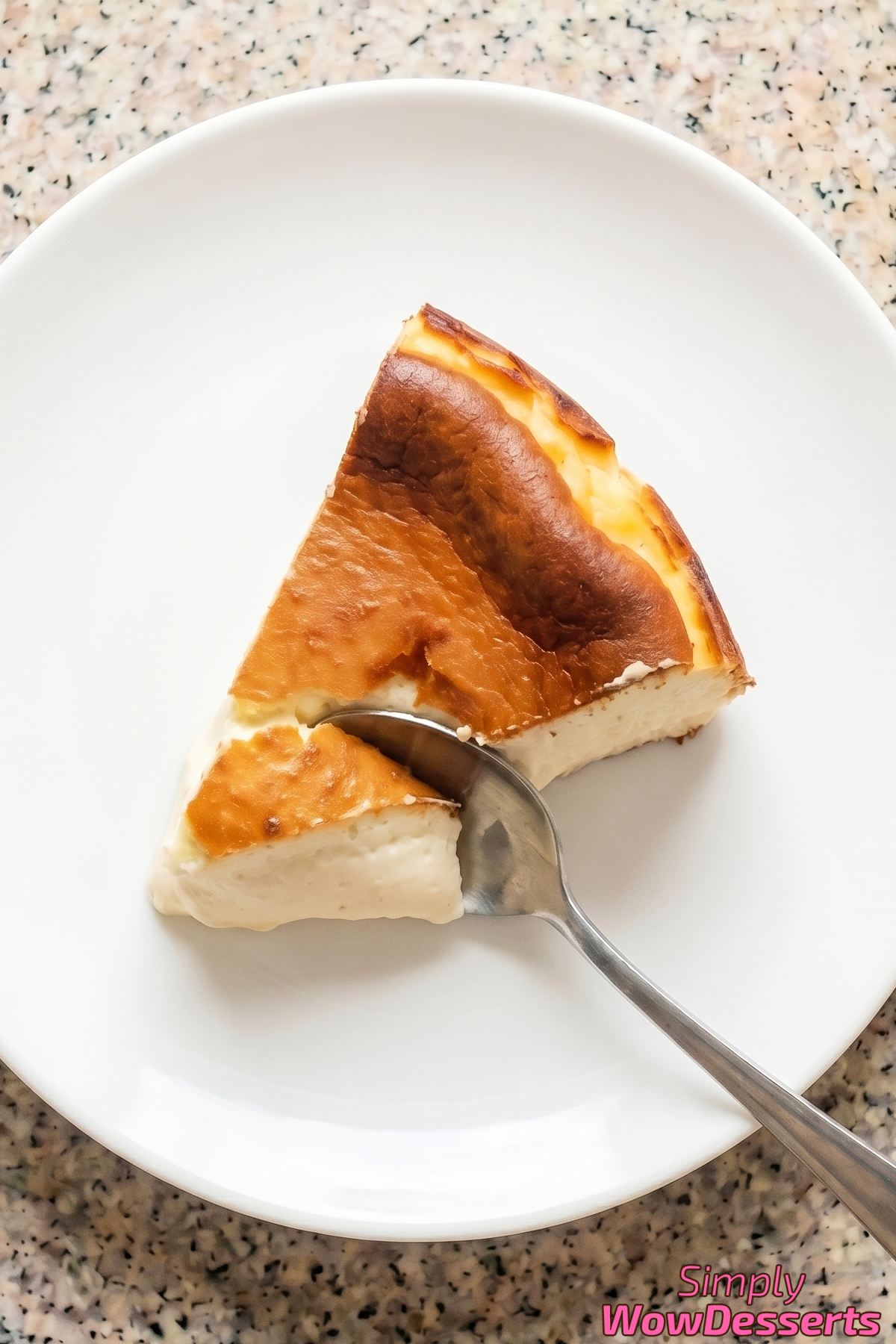
It’s Supposed to Look Imperfect – The crinkled parchment paper, the dark top, and the sunken center are all part of the charm, so there is zero pressure to make it look picture-perfect, which makes this one of the most forgiving and stress-free desserts you will ever bake.
Incredibly Creamy Center – Because the center stays jiggly and underset when it comes out of the oven, it firms up in the fridge into this dense, almost mousse-like texture that is way creamier and more luxurious than any regular cheesecake you have had before.
Recipe Ingredients
- 2 lb Cream Cheese (softened)
- 1 1/2 cups Granulated Sugar
- 6 Large Eggs
- 2 cups Heavy Cream
- 1 tsp Vanilla Extract
- 1/3 cup All-Purpose Flour
- 1/4 tsp Salt
Directions
Step 1
Preheat your oven to 400F. Line a 10-inch springform pan with two overlapping sheets of parchment paper, pressing them into the corners and letting the crinkled edges hang well over the sides. Do not grease – the rustic parchment look is part of the charm.
Step 2
In a large bowl, beat the cream cheese and granulated sugar with an electric mixer on medium speed until completely smooth and no lumps remain, about 3 minutes. Scrape down the sides of the bowl as needed.
Step 3
Add the eggs one at a time, beating on medium-low speed after each addition until just incorporated before adding the next. Do not overmix.
Step 4
Pour in the heavy cream and vanilla extract. Mix on low speed until the batter is smooth and pourable.
Step 5
Sift the flour and salt over the batter. Gently fold in with a spatula until no streaks of flour remain and the batter is silky smooth.
Step 6
Pour the batter into the prepared pan. Bake for 55-65 minutes until the top is deeply caramelized and dark golden brown, but the center still jiggles like set custard when you gently shake the pan.
Step 7
Let the cheesecake cool completely at room temperature – the center will sink slightly and become incredibly creamy. Refrigerate for at least 4 hours or overnight. Peel back the parchment and slice to serve.
My Tips
Get the Cream Cheese Really Soft
Take the cream cheese out of the fridge at least 2 hours before you start. It needs to be genuinely soft, not just slightly less cold. If you poke it with your finger, it should sink right in with zero resistance.
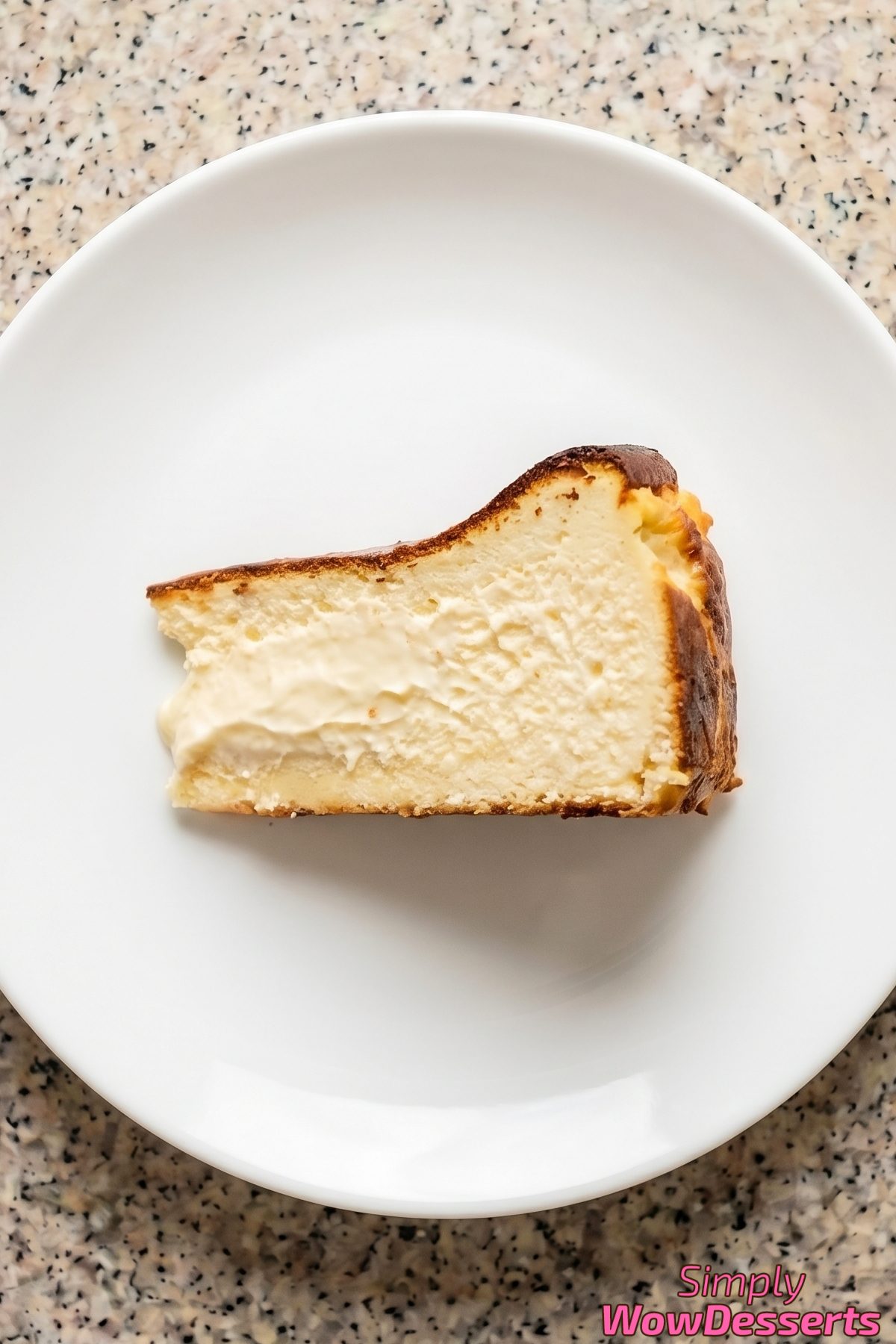
If you skip this and try to beat cold or even cool cream cheese, you will end up with tiny lumps in the batter that refuse to smooth out no matter how long you mix. Those lumps show up in the final cheesecake as little white pockets instead of that silky custard texture you want.
If you forgot to take it out early, cut the blocks into small cubes and spread them on a plate. They will soften much faster that way, usually in about 30 to 40 minutes.
Don’t Skip Sifting the Flour
It might seem unnecessary, but sifting the flour and salt over the batter instead of just dumping it in makes a real difference. Flour tends to clump together, and if you add it straight from the measuring cup, those clumps are hard to fold out without overmixing.
When you sift it on top and gently fold with a spatula, the flour blends in with just a few strokes. This keeps the batter smooth and light, which is what gives the cheesecake that creamy, almost custard-like texture inside.
Cool It Slowly at Room Temperature
When the cheesecake comes out of the oven, it will be very puffed up and the center will look almost souffle-like. Do not panic when it starts to deflate and sink as it cools. That is supposed to happen and is what creates the dense, creamy center.
Let it cool completely on the counter before putting it in the fridge. If you refrigerate it while it is still warm, condensation will form on the surface and make the top soggy instead of that nice caramelized finish.
Plan for about 2 hours of counter cooling, then at least 4 hours in the fridge. Overnight in the fridge is even better because the texture firms up perfectly and the flavors develop more.
Frequently Asked Questions
Why is the top supposed to be so dark – is it actually burnt?
It’s not burnt in a bad way. The name “Burnt Basque Cheesecake” comes from the deeply caramelized top, which gives it a slightly bitter, toffee-like flavor that balances the creamy, sweet interior. Think of it like a creme brulee crust but all over the top.
If your top is just golden brown, it probably needs more time. Don’t be afraid to let it get really dark – that’s what makes this cheesecake different from a traditional one. The magic happens when the sugars caramelize at that high 400F heat.
Burnt Basque Cheesecake
Equipment
- springform pan
- electric mixer
Ingredients
- 2 lb Cream Cheese
- 1 1/2 cups Granulated Sugar
- 6 Large Eggs
- 2 cups Heavy Cream
- 1 tsp Vanilla Extract
- 1/3 cup All-Purpose Flour
- 1/4 tsp Salt
Instructions
- Preheat your oven to 400F. Line a 10-inch springform pan with two overlapping sheets of parchment paper, pressing them into the corners and letting the crinkled edges hang well over the sides. Do not grease - the rustic parchment look is part of the charm.
- In a large bowl, beat the cream cheese and granulated sugar with an electric mixer on medium speed until completely smooth and no lumps remain, about 3 minutes. Scrape down the sides of the bowl as needed.
- Add the eggs one at a time, beating on medium-low speed after each addition until just incorporated before adding the next. Do not overmix.
- Pour in the heavy cream and vanilla extract. Mix on low speed until the batter is smooth and pourable.
- Sift the flour and salt over the batter. Gently fold in with a spatula until no streaks of flour remain and the batter is silky smooth.
- Pour the batter into the prepared pan. Bake for 55-65 minutes until the top is deeply caramelized and dark golden brown, but the center still jiggles like set custard when you gently shake the pan.
- Let the cheesecake cool completely at room temperature - the center will sink slightly and become incredibly creamy. Refrigerate for at least 4 hours or overnight. Peel back the parchment and slice to serve.